Название
UserAllContent
Content by piousbox
 Спасибо, что пчел разрешили регистрировать группами, а не индивидуально!
От стоматолога вышла, в утешение решила купить себе новый купальник.
От стоматолога вышла, в утешение решила купить себе новый купальник.
Все равно какой, старый я потеряла в пылу расхламления.
Стою на кассе, и тут продавщица у меня спрашивает:
— Вы примеряли купальник? Все хорошо?
То есть как это все хорошо, хотела я сказать ей.
Все хорошо с купальником у меня было в 1996 году.
Это были три перламутрово-голубых лоскутка, соединенных шнурками. В нем я лежала на золотом песочке и пляжные вуайеристы при виде меня перевоспитывались и становились медбратьями.

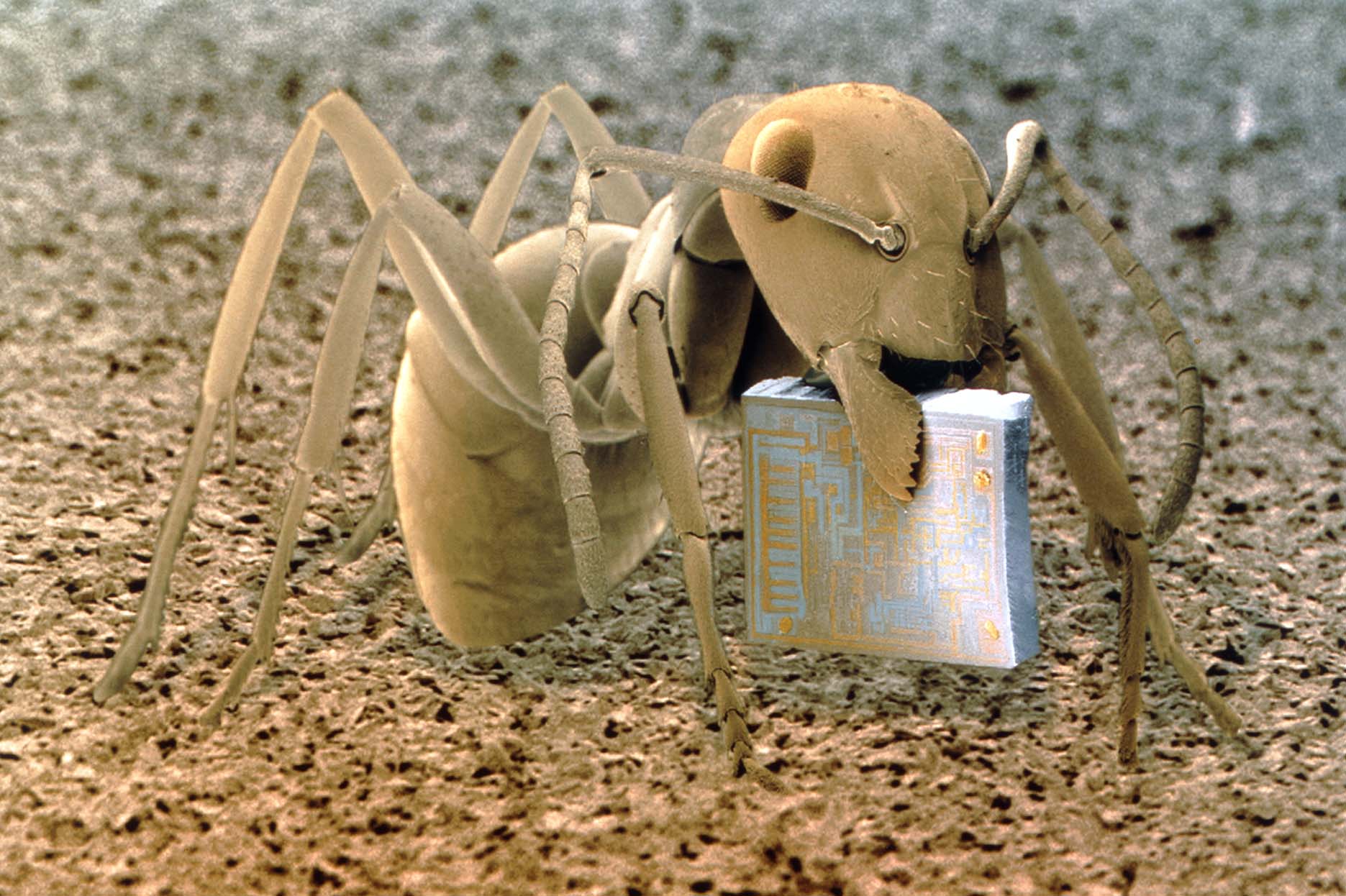


Как он регистрировал сотни тысяч телефонных звонков на военные базы
This is a premium article. Please Log in to continue reading.

User Comments
Blabbering on tv is not the same thing as running a society. In fact, politicians don't "run the society", industrialists and operators run it. Lumberjacks run the society.
Running a society is hard work, men's work! If a woman wants to run a society, she needs to grow a pair of balls, and then "free time" will be a thing of distant dreams. WTF is "free time" anyway? My time is not free.
To scale this up to generate a single watt would cost $10.5B and weigh 15 tons.
To scale this up to generate a single watt would cost $10.5B and weigh 15 tons.
To scale this up to generate a single watt would cost $10.5B and weigh 15 tons.
To scale this up to generate a single watt would cost $10.5B and weigh 15 tons.
Because the spacecraft was designed to travel far from the Sun where solar panels are useless, it required a nuclear power source.
Key Features of the Power System
The Fuel: The system uses Plutonium-238 in the form of plutonium oxide.
Heat to Electricity: The natural radioactive decay of the plutonium generates heat. Thermocouples then convert this thermal energy directly into electricity.
The Units: Voyager 1 carries three RTGs, which are mounted together on a long boom to keep radiation away from the sensitive science instruments.
Initial Output: At launch in 1977, the three RTGs combined produced about 470 watts of power.
Current Power Status: due to the radioactive half-life of the plutonium and the degradation of the thermocouples. The power output decreases by about 4 watts every year
Because the spacecraft was designed to travel far from the Sun where solar panels are useless, it required a nuclear power source.
Key Features of the Power System
The Fuel: The system uses Plutonium-238 in the form of plutonium oxide.
Heat to Electricity: The natural radioactive decay of the plutonium generates heat. Thermocouples then convert this thermal energy directly into electricity.
The Units: Voyager 1 carries three RTGs, which are mounted together on a long boom to keep radiation away from the sensitive science instruments.
Initial Output: At launch in 1977, the three RTGs combined produced about 470 watts of power.
Current Power Status: due to the radioactive half-life of the plutonium and the degradation of the thermocouples. The power output decreases by about 4 watts every year